
Case Study 3 - How Much Can a Missing Heating System Affect an EPC Rating? - 30F to C

At the time of writing the methodology for EPC assessments of existing dwellings is currently RDSAP 10. The EPC for this property was conducted under the previous methodology RDSAP 9.94. A significant methodology overhaul from RDSAP to the Home Energy Model (HEM) is proposed to start in 2027 and government consultations indicate EPC formats are likely to change in the near future. These factors mean that approaches to EPC rating improvement in the future will change.
Introduction
This is another 1950s 3-bed terraced house, of the same design as the ones featured in Case Study 1 and Case Study 2.
It's an auction property, and it stands out as a demonstration of how much impact the heating system of a property can have on it's EPC rating.
This property currently has no heating system within it at all. There's no boiler, no radiators, no hot water cylinder, no heating of any kind. It's all been stripped out.
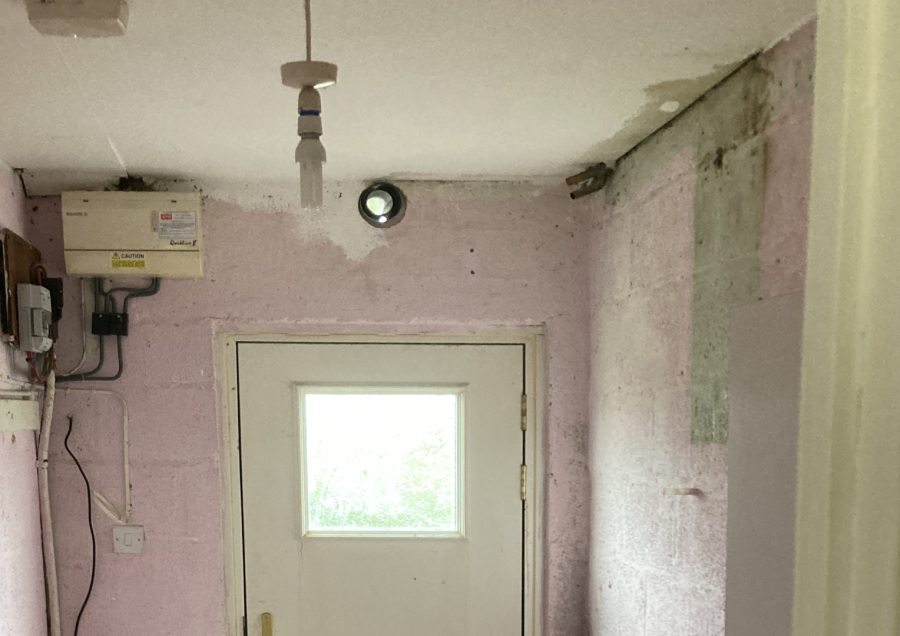 The boiler has been removed
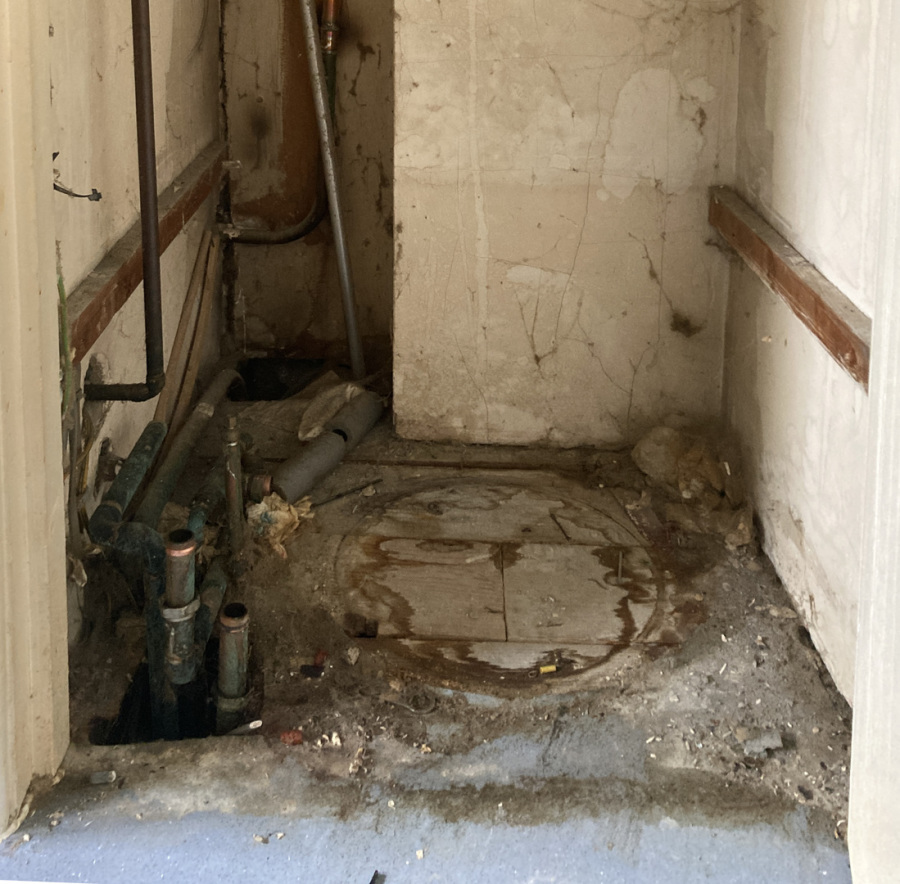 The hot water cylinder has been removed
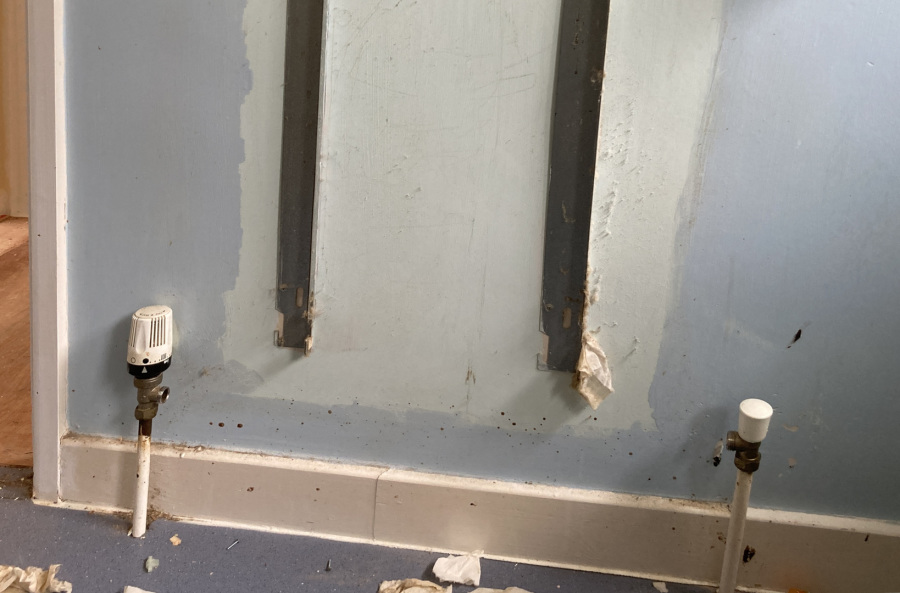 ...and all the radiators have been removed
I've included it here to illustrate the really bad EPC rating it currently has (30F) and the massive improvement in EPC rating provided by just one Recommendation on the existing EPC certificate: Fitting a gas boiler heating system.
The house was prepared for sale, and a new EPC was commissioned to comply with current legislation.
This just happens to be the condition that the current owners, a local housing association, decided to leave it in at the time of that EPC assessment and subsequent sale.
EPC Features Table
Let's take a look at the Features table on the EPC:

Looking at the table above we can see:
Wall
This is a cavity wall with insulation that has been added since original construction (there's no 'assumed' after the words 'filled cavity) - It's described as 'Average', but it's as good as this property can be without additional internal or external insulation
Roof
This is a straightforward pitched roof with 200mm of loft insulation, and that's good.
Windows
There are Double glazed windows throughout, although we the glazing age is not evident. Despite this, the rating is good.
Lighting
This is very good with LED lamps throughout
So all those items are looking really positive for the property.
What's left are items related to heating which are all rated as Very Poor.
This is due to the RDSAP methodology introducing the worst case scenario that:
- Peak rate electric heaters will be used to provide the required space heating for the property
- Peak rate electric immersion heating is used in a hot water cylinder for water heating.
- The hot water cylinder will have assumed insulation based on the construction date of the building.
This type of assumption is a standard approach in energy assessments, including non-domestic (i.e. commercial) EPCs, when heating systems are not present but are required by the use-case of the building.
The EPC Recommendations
Let's look at the Recommendations list:

(further recomendations omitted)
Step 1 delivers only a modest EPC improvement relative to its likely cost and disruption, so for the purpose of this case study we’ll move on.
Look however at Step 2:
Installing a gas condensing combi boiler would provide a 41 SAP point improvement to the EPC rating.
In reality the 74C rating displayed for Step 2 does include the 3 SAP point improvement from Step 1 as well - EPC recommendations are applied accumulatively in the list.
If you didn't carry out Step 1 then you'd have to remove at least 3 points from that 74C, possibly more, as the presence of Step 1 might have helped Step 2 achieve so well.
We have seen however in Case Study 1 and Case Study 2 that this design of house with a filled cavity wall is capable of a C band rating when fitted with a gas combi boiler and all other features are in good order.
It's therefore highly likely a condensing gas boiler on its own will still bring this particular property into the C band.
The recommendation for the gas condensing boiler in this case is for a combi-boiler because there was no hot water cylinder present at the property at the time of the assessment.
Fuel Switching
The recommendation for the gas boiler is effectively a fuel-switch for the main heating system, from electricity to gas.
This recommendation appears on this EPC because a mains gas meter, or a gas appliance, was present at the property at the time of the EPC assessment.
Had that gas meter or appliance not been present then a recommendation for High Heat Retention Storage Heaters would have been presented instead.
The RDSAP methodology has been updated since the EPC for this property was conducted and the behaviour described above has now changed.
This recommendation will no longer appear in this specific situation on newly issued EPCs for existing dwellings.
Key Takeaways
This case study demonstrates an important EPC principle: a poor EPC rating does not always mean a poorly insulated property.
In this example, the building fabric was already at a good level.
The absence of a heating system alone was responsible for pushing the rating down to 30F.
Installing a modern central heating system would likely move the property directly into the C band.
For further information take a look at our Heating Systems page.
Always consult a domestic energy assessor before making changes to your property.
To read more examples, take a look at our Case Studies page.
 Print
Print 